Expanding an art collection requires more than finding artwork that catches your attention. Before purchasing another piece, consider how it complements your existing collection, whether the artist’s work aligns with your interests, and what the acquisition means for your budget and long-term goals. Understanding authenticity, condition, provenance, and display requirements can also help you make more informed decisions.
At Ian Tan Art Gallery, we represent emerging and established Canadian artists, offering original paintings, drawings, glass art, and sculptures. As a contemporary art gallery in Vancouver, we believe that thoughtful collecting begins with discovering artwork that holds personal meaning while contributing something distinctive to your collection.
The following questions can help you evaluate potential acquisitions, explore new artistic directions, and develop a collection that continues to reflect your interests.
What Do You Want to Achieve by Expanding Your Art Collection?
Before acquiring additional artwork, identify what you want your collection to represent. Some collectors prefer a consistent artistic direction, while others enjoy exploring different styles, subjects, and mediums. Neither approach is inherently better. The important consideration is whether each acquisition supports your interests and contributes meaningfully to the collection.
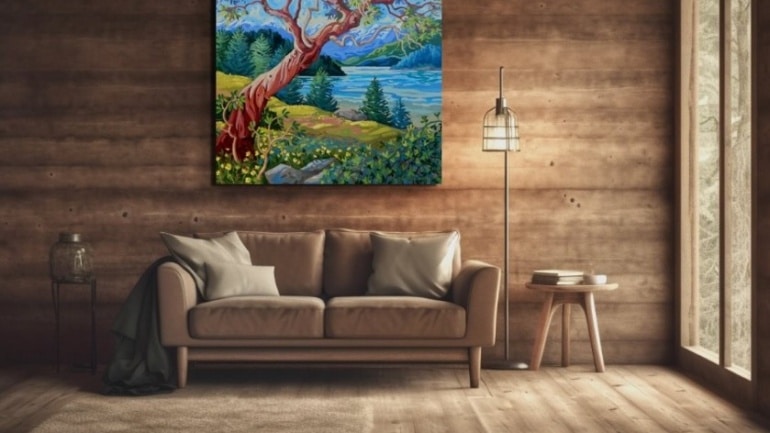
Review the artworks you already own. Look for recurring themes, colour palettes, techniques, or subjects. Consider whether you want to strengthen those connections or introduce something different. For example, a collection dominated by landscape paintings might benefit from an abstract composition or a sculpture that introduces another visual perspective.
Ask yourself:
- What themes or artistic styles currently define my collection?
- Am I interested in exploring different artists or mediums?
- Does this artwork contribute something I do not already own?
- Will I still appreciate this piece if my preferences change?
Establishing clear collection goals does not mean limiting yourself to one artistic direction. Instead, it provides a useful framework for making deliberate acquisitions rather than purchasing artwork solely because it is available or fashionable.
What Should You Know About the Artist and Their Work?
Understanding an artist’s background and creative practice can provide valuable context when selecting artwork. Beyond examining an individual piece, consider how it relates to the artist’s broader body of work, recurring subjects, techniques, and artistic development.
Start by researching the artist’s approach to materials, composition, and visual storytelling. Look at several examples of their work rather than evaluating one piece in isolation. This can help you recognize recurring characteristics and understand whether a particular artwork represents their established style or a different creative direction.
It is also useful to distinguish between personal appreciation and external recognition. An established exhibition history may provide context about an artist’s career, but it does not automatically make every artwork suitable for your collection.
When exploring contemporary Canadian art, consider how individual artists interpret landscapes, cultural experiences, abstraction, and everyday subjects.
Ultimately, ask whether the artwork resonates with you independently of the artist’s reputation. Understanding the creative process can deepen your appreciation, but your decision should also reflect a genuine connection to the piece.
How Can You Verify an Artwork’s Authenticity, Provenance, and Condition?
Authenticity, provenance, and physical condition are important considerations when expanding an art collection. These factors help establish what you are purchasing, provide information about the artwork’s history, and identify potential concerns before acquisition.
Authenticity concerns whether an artwork is genuinely attributed to the stated artist. Provenance refers to its documented ownership history. Depending on the artwork, supporting documentation might include purchase receipts, gallery records, certificates of authenticity, or other records connecting the piece to its creator.
Not every original artwork comes with identical documentation. For recently created works, records may be relatively straightforward, while previously owned pieces can require additional questions about their history.
Condition deserves equal attention. Examine the artwork for visible damage, alterations, or previous repairs. Paintings, works on paper, and glass pieces have different vulnerabilities, so appropriate inspection depends on the medium.
Before purchasing, consider asking:
- What documentation accompanies the artwork?
- Is the piece original, part of a limited edition, or a reproduction?
- Has it undergone restoration or repair?
- Are there any known condition concerns?
- What ownership and purchase records will be provided?
Clarifying these details before completing a purchase supports responsible ownership and makes future collection management easier.
What Is Your Budget, and Have You Considered Additional Ownership Costs?
A realistic collecting budget should account for more than the artwork’s purchase price. Depending on its size, medium, and intended location, additional expenses may include framing, transportation, installation, insurance, and ongoing care.
Begin by establishing an amount you can comfortably allocate without relying on the possibility of future resale. Artwork prices can reflect several considerations, including an artist’s career, the medium, dimensions, complexity, and individual characteristics of the piece. A higher price does not necessarily mean an artwork is more personally meaningful or better suited to your collection.
Consider whether purchasing one significant piece would provide more satisfaction than acquiring several smaller works. Alternatively, you may prefer gradually building a diverse collection through carefully selected acquisitions.
Although some collectors consider potential financial value, art markets are unpredictable. Future appreciation and resale opportunities are never guaranteed. Prioritize artwork you genuinely want to own rather than making decisions based entirely on expected returns.
A thoughtful budget creates room for collecting at a sustainable pace while allowing you to remain selective.
How Will the New Artwork Fit Into Your Existing Space?
An artwork may be visually compelling in a gallery but create different impressions once displayed at home or in an office. Before making a purchase, consider its dimensions, surrounding furnishings, lighting conditions, and relationship to nearby artworks.
Scale is particularly important. A large painting may dominate a narrow wall, while a small piece might lose its visual impact in a spacious room. Measure the intended display area and evaluate whether the composition will remain balanced within its surroundings.
Colour compatibility is another consideration, although artwork does not need to match your interior exactly. Contrasting colours or artistic styles can create interesting visual relationships when introduced intentionally.
Practical care requirements also influence placement. Direct sunlight, temperature changes, moisture, and frequent handling may affect certain materials over time. Works on paper can require additional light protection, while sculptures and glass artworks need stable, secure display locations.
Think beyond your current arrangement. If you anticipate moving or redesigning your space, consider whether the artwork offers flexibility for future placement. The strongest acquisition should satisfy your artistic preferences while remaining manageable to display and maintain.
How Do You Know When to Purchase an Artwork or Continue Exploring?
The right time to purchase artwork depends on your confidence in the piece, your collecting priorities, and whether you have enough information to make a considered decision. Enthusiasm matters, but it should be supported by practical evaluation.
Compare Your Options Before Making a Commitment
When two artworks appeal to you, evaluate them using consistent criteria. Consider their artistic qualities, relevance to your existing collection, condition, price, and display requirements.
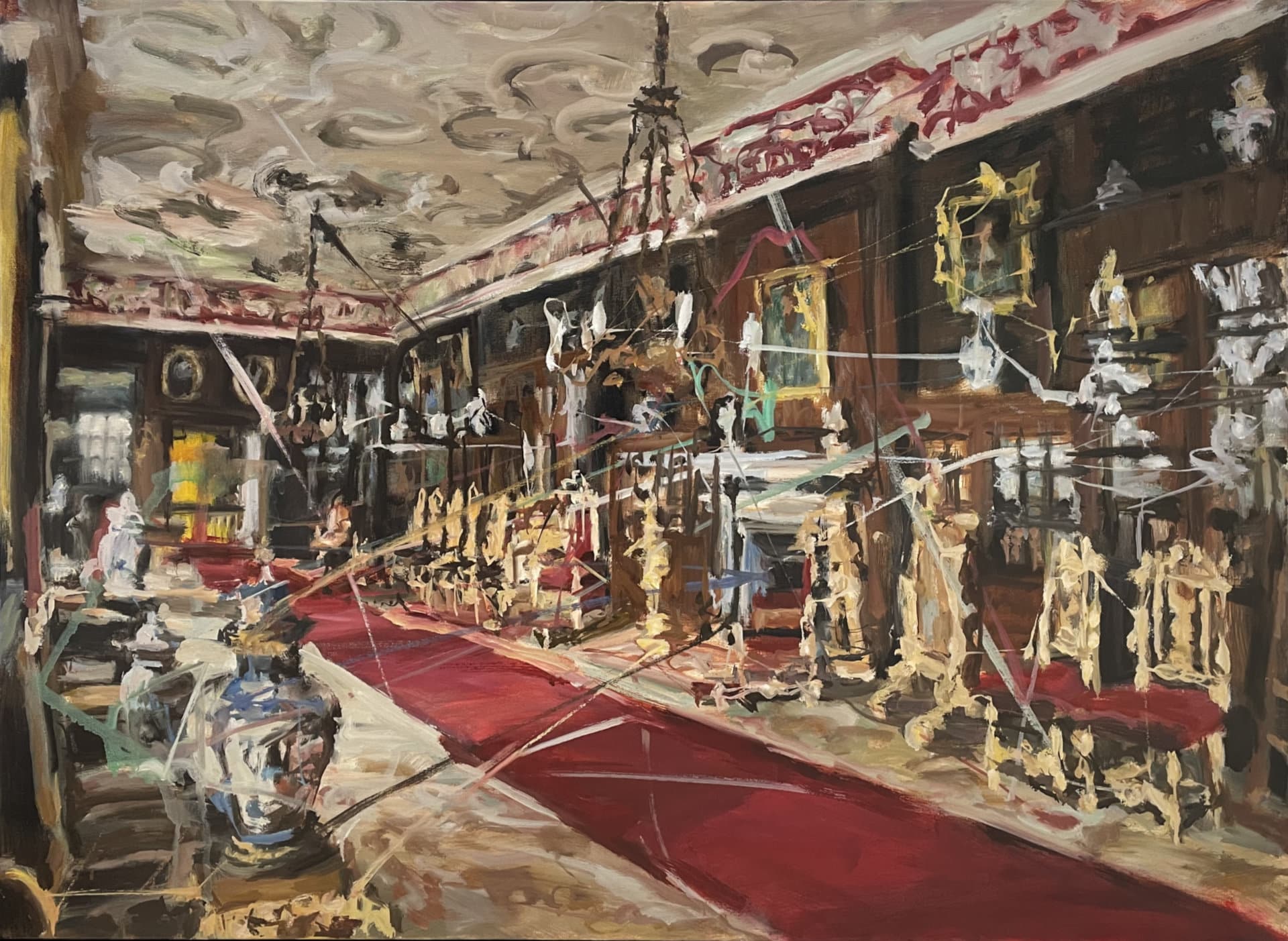
For example, imagine choosing between a colourful contemporary painting and a smaller glass sculpture. The painting might strengthen an established interest in expressive colour, while the sculpture could introduce a new medium and visual dimension. Both may be worthwhile, but they serve different collecting goals.
Visiting Vancouver art galleries and viewing artwork in person can also provide a clearer understanding of texture, scale, and surface details that photographs may not fully communicate.
Recognize When Waiting Makes Sense
Delaying an acquisition may be appropriate when important questions remain unanswered, the purchase exceeds your intended budget, or you have not determined where the artwork will be displayed.
It can also be useful to revisit a piece after your initial excitement has settled. If the work continues to hold your attention and meets your practical requirements, that lasting interest can strengthen your confidence.
There is no requirement to purchase something during every gallery visit. Allowing yourself time to explore different artists and artistic directions is part of developing a more intentional collection.
Expand Your Art Collection With Confidence in Vancouver
Expanding an art collection is an opportunity to refine your artistic interests, discover different perspectives, and build meaningful connections with the works you own. By considering your collection goals, artist backgrounds, authenticity, condition, budget, and display requirements, you can approach each acquisition with greater confidence.
At Ian Tan Art Gallery, our collection-building and art consulting services help collectors explore contemporary Canadian artwork that reflects their preferences and surroundings. We welcome you to discover our curated selection of paintings, drawings, glass art, and sculptures at our Vancouver gallery.
Visit Ian Tan Art Gallery on South Granville Street or explore our available artworks to discover a meaningful addition to your collection.