A painting can be a meaningful addition to your art collection when it reflects your personal taste, complements your existing artwork, and brings something new to your space. The right choice involves more than finding an appealing image. Artistic style, composition, materials, size, condition, and long-term care all deserve consideration before making a purchase.
Original paintings offer opportunities to explore different perspectives, from expressive abstract compositions to detailed landscapes, portraits, and still lifes. Each artwork carries the artist’s individual approach to colour, subject matter, and technique.
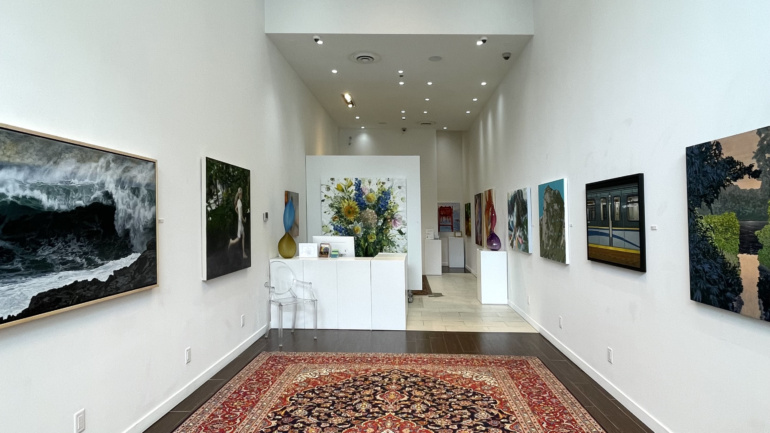
At Ian Tan Art Gallery, a contemporary art gallery in Vancouver, we showcase original paintings by emerging and established Canadian artists. Understanding what to look for in a painting can help you make a confident decision and build a collection that continues to reflect your interests over time.
What Makes a Painting a Meaningful Addition to Your Collection?
A painting becomes a valuable personal addition when it contributes something distinctive to your collection. This might involve introducing a new subject, exploring a different artistic technique, or creating a connection between works you already own.
Before selecting another painting, consider what initially attracted you to your existing pieces. You may appreciate the atmosphere of landscape paintings, the energy of abstract compositions, or the details found in realistic artwork. Recognizing these preferences can help you identify paintings that align with your interests.
However, collecting does not require every artwork to follow the same theme. A contemporary abstract painting might introduce contrast to a collection of traditional landscapes while maintaining a connection through colour or composition.
Think about whether you want your next painting to strengthen an existing theme or introduce a different artistic perspective. Both approaches can lead to a thoughtful collection.
The most important consideration is whether the artwork remains personally engaging beyond your first impression.
How to Choose a Painting Style That Reflects Your Taste
Choosing the right painting style begins with understanding which subjects, techniques, and visual qualities capture your attention. Contemporary Canadian art offers a broad range of approaches, allowing collectors to explore different forms of artistic expression.
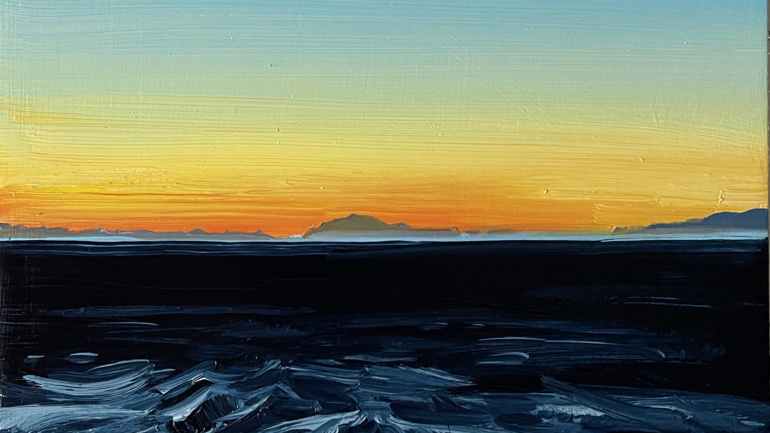
Landscape paintings often interpret natural environments through colour, atmosphere, and perspective. Some artists emphasize recognizable scenery, while others use expressive brushwork or simplified forms to communicate a sense of place.
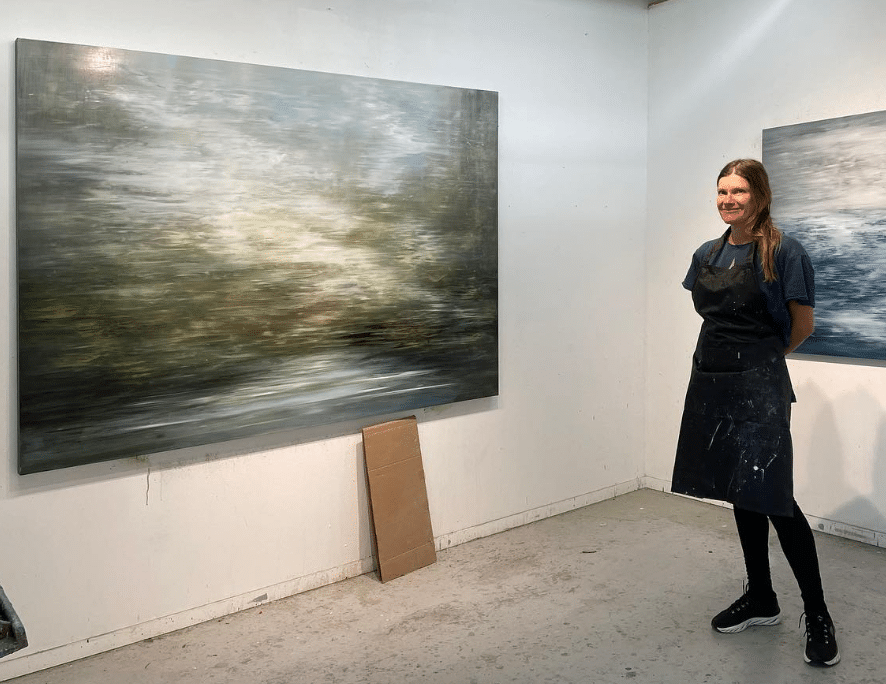
Abstract paintings focus on elements such as colour, shape, texture, and movement rather than literal representation. These works can invite personal interpretation and create a different viewing experience each time.
Still-life and figurative paintings offer additional possibilities, exploring familiar objects, human subjects, and everyday environments through individual artistic perspectives.
When evaluating different styles, consider how the artwork makes you feel and what continues to attract your attention. A painting that initially appears unfamiliar may become more compelling as you examine its composition and details.
Rather than selecting artwork solely to match your interior design, choose something you genuinely appreciate. Furniture and decorating preferences may change, but a meaningful connection with an original painting can remain relevant for years.
How Do Painting Size and Placement Affect Your Decision?
A painting’s dimensions and intended display location can significantly influence how it appears within your home or collection. Before purchasing, measure your available wall space and consider how the artwork will interact with nearby furniture, lighting, and existing pieces.
Large paintings can become focal points in living rooms, dining areas, or other open spaces. Their scale allows viewers to appreciate the composition from a distance while discovering smaller details when approaching the artwork.
Smaller paintings offer flexibility and may work well in intimate spaces or alongside other pieces. A carefully arranged collection of smaller works can create visual connections through complementary colours, subjects, or artistic techniques.
Consider the painting’s orientation as well. Horizontal compositions often complement wider wall areas, while vertical works may suit narrower spaces.
Lighting is another important factor. Natural and artificial light can influence how colours and surface textures appear. Direct sunlight may also affect certain painting materials over time, making placement important for preservation.
Before deciding, visualize the artwork at its actual dimensions rather than relying exclusively on photographs. This helps determine whether the painting’s scale and proportions suit your intended display area.
What Should You Know About Painting Materials and Techniques?
Understanding painting materials can help you appreciate an artist’s creative process while preparing for the artwork’s long-term care.
Oil paintings are known for their potential to produce rich colour relationships, subtle blending, and varied surface textures. Artists may build layers to create depth or apply thicker paint to produce visible brushwork.
Acrylic paintings offer different possibilities. The medium dries relatively quickly, allowing artists to create layered compositions, strong colour contrasts, and a wide range of surface effects.
Mixed-media paintings combine materials or techniques within a single artwork. Depending on the artist’s approach, these works may incorporate drawing materials, collage elements, or other substances that contribute to the composition.
The painting’s support also matters. Canvas and wooden panels have different physical characteristics, influencing the artwork’s appearance, handling, and preservation needs.
No particular medium automatically indicates superior artistic quality. Instead, consider how effectively the artist uses the chosen materials to communicate an idea or create a visual experience.
When exploring original paintings at a Vancouver art gallery, examining surface details and brushwork can provide a deeper understanding of the artist’s technique.
How Can You Evaluate a Painting’s Quality, Condition, and Authenticity?
Evaluating an original painting involves considering artistic execution alongside its physical condition and available documentation.
Begin by examining the composition. Notice how the artist arranges shapes, subjects, colours, and visual elements. Consider whether these choices create a convincing sense of balance, movement, contrast, or atmosphere.
Artistic quality is not determined by realism or technical complexity alone. An expressive painting with simplified forms may demonstrate the same level of intentional artistic decision-making as a highly detailed representational work.
Physical condition is another consideration. Examine the surface for unexpected cracking, staining, unstable paint, or visible repairs. Certain surface characteristics may result from the artist’s intended technique, so it is important to distinguish deliberate effects from deterioration.
Documentation can also support an informed purchase. Ask about the artist, artwork title, creation date, dimensions, materials, and available ownership history.
Provenance refers to the documented history of an artwork’s ownership and origin. Its supporting records can vary, particularly between newly created works and paintings that have changed ownership multiple times.
If important details remain unclear, requesting clarification before purchasing is a reasonable step.
What Should You Consider About Budget and Long-Term Care?
Establishing a realistic budget helps you explore paintings that fit your financial priorities without making a rushed decision.
Original paintings can vary considerably in price based on factors such as artist recognition, size, medium, and market demand. A larger painting is not necessarily more valuable than a smaller one, and an artist’s reputation does not guarantee future appreciation.
Consider potential additional expenses, including framing, installation, transportation, and insurance where appropriate. These costs can affect your overall purchasing decision.
Long-term preservation also deserves attention. Paintings generally benefit from stable environmental conditions and protection from excessive moisture, direct sunlight, and unnecessary handling. Specific care requirements depend on the materials and construction of each artwork.
If you plan to relocate or rearrange your collection, consider how easily the painting can be transported and displayed in another space.
Although some collectors consider potential resale value, the art market can be unpredictable. Purchasing a painting primarily because you enjoy and appreciate it provides a more dependable foundation than relying on uncertain financial returns.
Why Is Visiting an Art Gallery Helpful Before Choosing a Painting?
Viewing original paintings in person can reveal qualities that photographs may not communicate accurately. Surface texture, subtle colour variations, scale, and the interaction between light and materials often become clearer when examining artwork directly.
A gallery visit also allows you to compare paintings by different artists within the same setting. You may discover that a particular artistic style or technique interests you more than expected.
For example, a painting that appears understated online may reveal intricate details when viewed closely. Another work may have a stronger visual presence than its dimensions initially suggest.
When exploring Vancouver art galleries, consider reviewing available artworks online before visiting. Identify pieces that interest you, take note of their dimensions, and prepare questions about materials, condition, or the artist’s approach.
At Ian Tan Art Gallery, our exhibitions and available works provide opportunities to explore different interpretations of contemporary Canadian painting, including landscapes, abstraction, and representational subjects.
Taking time to compare artworks can help you distinguish an immediate attraction from a lasting personal connection.
Find Original Contemporary Paintings for Your Collection in Vancouver
Choosing the right painting involves balancing personal taste, artistic appreciation, display requirements, and long-term ownership considerations. A meaningful addition should offer more than visual compatibility with your surroundings. It should introduce a perspective, subject, or artistic quality that you value.
At Ian Tan Art Gallery, we feature original cDiscover how to choose original paintings for your art collection. Explore styles, sizes, and artistic techniques at Ian Tan Art Gallery in Vancouver.ontemporary Canadian paintings that reflect a range of artistic styles, techniques, and creative perspectives. Our Vancouver art gallery offers an inviting space to discover works by emerging and established artists while exploring possibilities for your collection.
Whether you are developing a particular collecting interest or searching for one distinctive painting, thoughtful selection can make the experience more rewarding.
Explore our collection of original paintings online or visit Ian Tan Art Gallery at 2655 Granville Street in Vancouver, BC. Discover contemporary Canadian artwork that connects with your interests and find a painting worth adding to your collection.